




Traditional Traction vs. Decompression Therapy: What’s the Difference?
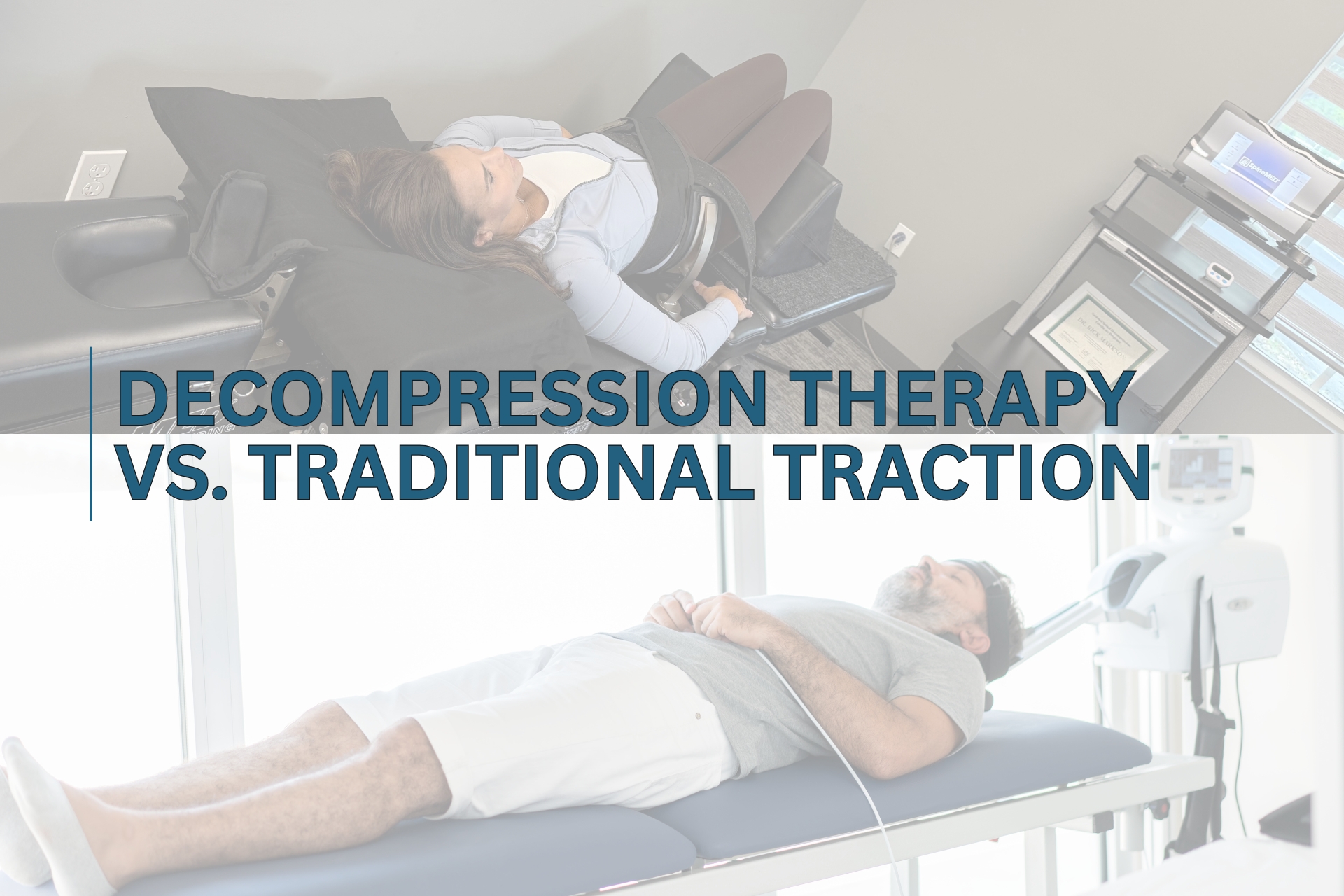
The rising demand for non-surgical spinal treatments stems from modern lifestyle habits. Increased screen time, sedentary work environments, and poor posture contribute to chronic back pain and spinal compression issues. These conditions affect millions, disrupting daily function and reducing quality of life.
Spinal health now ranks among the top concerns in physical rehabilitation clinics. Patients seek non-invasive therapies that offer effective relief from disc bulges, nerve impingement, and posture misalignment—without relying on surgical intervention.
What Is Decompression Therapy?
Spinal decompression therapy is a non-surgical treatment designed to relieve pressure on spinal discs and nerve roots. This technique gently stretches the spine to change its force and position, promoting spinal alignment and relieving compression.
Key Mechanism: Traditional traction is useful for certain people, but it lacks the accuracy and modulation control that decompression therapy provides.
- Negative intradiscal pressure is created using a decompression table.
- Nerve pressure is reduced as a result of the bulging or ruptured discs retracting.
- It also facilitates nutrient-rich fluids, oxygen, and healing substances into discs.
Types of Decompression:
Traditional Traction Explained
Traditional spinal traction uses mechanical or manual force to stretch the spine. This approach dates back centuries and is commonly used in orthopedic and hospital-based treatments.
Traction Modalities:
- Manual Traction: Applied by physical therapists using controlled hand pressure.
- Mechanical Traction: Uses weight-pulley systems or traction beds.
- Axial or Skeletal Traction: Commonly hospital-based, sometimes using pins or tongs.
Traditional traction isn't as precise or modulation-controlled as decompression therapy, yet it works for certain people.
Core Differences Between Decompression Therapy and Traction
Decompression therapy offers greater accuracy, dynamic pressure control, and targeted relief compared to traditional traction.
Clinical Effectiveness of Decompression Therapy
Several studies support the efficacy of decompression therapy in treating lower back pain and disc-related disorders.
- A 2021 study in BMC Musculoskeletal Disorders showed a 70% reduction in VAS pain scores after 6 weeks of decompression.
- MRI studies report disc height restoration and nerve root decompression.
- FDA-approved systems like DRX9000 have documented positive outcomes for conditions like radiculopathy and herniated discs.
Common Metrics:
- VAS Score Improvement
- Radiculopathy Resolution
- Increased Mobility
- Sustained Relief Duration
Decompression is regarded as an evidence-based, non-surgical intervention for chronic spinal conditions.
Conditions Treated with Decompression Therapy
Decompression therapy suits various spinal disorders involving disc pressure and nerve impingement.
Commonly Treated Conditions:
- Herniated or Bulging Discs
- Degenerative Disc Disease
- Sciatica
- Spinal Stenosis
- Facet Syndrome
- Pinched Nerves
- Chronic Low Back or Neck Pain
Specific Attributes
Patients with neuropathic symptoms or vertebral degeneration often respond well to decompression.
Risks and Contraindications of Decompression Therapy
Although spinal decompression therapy is generally safe, not everyone is a good candidate.
Contraindications:
- Osteoporosis
- Spinal Fracture
- Metal Implants
- Pregnancy
- Post-Surgical Fusion or Hardware
- Cancer or Bone Infections
These conditions may increase the risk of spinal instability, bone fragility, or device interference.
Possible Side Effects:
- Muscle soreness
- Temporary increase in symptoms
- Mild bruising (in rare cases)
Patients should undergo thorough medical evaluations to rule out these risks.
How a Decompression Therapy Session Works
Step-by-Step Process:
- Initial Consultation: Medical history and spinal imaging evaluation.
- Treatment Plan: Customized based on disc location and condition severity.
- Session Setup:
- The patient lies on a decompression table.
- Secured with a harness system.
- Settings adjusted via digital control systems.
- Therapy Phase:
- Controlled pull-retraction cycles.
- Duration: 20 to 45 minutes.
- Post-Session Protocol:
- Light stretching or ice therapy.
- Rehydration and rest.
A therapist supervises the session, ensuring proper strap positioning, tension modulation, and safety checks.
Cost and Accessibility of Decompression Therapy vs. Traction
Average Costs:
Cost Considerations:
- Chiropractic clinics and rehab centers offer accessible pricing.
- Some insurance plans require pre-authorization.
- Decompression may offer long-term savings by avoiding surgery.
While traction is often included in hospital rehab, decompression is increasingly available at specialized spine clinics.
Patient Testimonials and Real-Life Outcomes
Success Stories:
- Mark, 42, software developer: "After 8 decompression sessions, my sciatica disappeared, and I regained full mobility."
- Linda, 59, retired teacher: "Traction never helped me. Decompression targeted the real issue—my L5 disc."
Common Results Reported:
- Lower pain scores
- Improved daily function
- Faster return to work
- Sustained mobility gains
Patient satisfaction is often higher with decompression due to its precision and comfort.
Decompression Therapy in Chiropractic and Physical Therapy Practices
Chiropractors and physical therapists integrate spinal decompression into broader rehabilitation plans.
Complementary Therapies:
- Chiropractic Adjustments
- Manual Therapy
- Postural Correction Exercises
- Myofascial Release
- Core Stabilization Workouts
These modalities enhance decompression outcomes by:
- Reducing muscle spasms
- Promoting posture alignment
- Preventing recurrence of disc issues
Decompression is most effective when combined with a comprehensive spine wellness approach.
FAQs About Decompression Therapy
Is decompression therapy safe?
Yes, when performed by trained professionals, it's considered safe for eligible candidates.
How many sessions are needed?
Typically, 10–20 sessions are recommended over 4–6 weeks for optimal results.
Does decompression hurt?
Most patients report a painless, even relaxing, experience.
Can it replace surgery?
In many cases, yes—especially for mild to moderate disc herniations and nerve impingements.
What conditions disqualify a patient?
Although spinal decompression therapy is generally safe, not everyone is a suitable candidate.
Struggling with Back Chronic Pain in South Florida?
Discover how Spinal Decompression Therapy can offer lasting relief from disc-related back and neck pain—completely drug-free and non-invasive.
We Offer:
🔹Advanced Spinal Decompression Therapy — A proven, FDA-cleared solution to relieve pressure from herniated discs, sciatica, bulging discs, and degenerative disc disease. Backed by clinical studies with long-term success in reducing pain and restoring function.
🔹Tailored Treatment Plans — Every session is customized to your condition, guided by experienced spinal care professionals committed to measurable improvement.
🔹Compassionate, Supportive Team — At every stage of your journey, we put your comfort and recuperation first.
🔹Expert Leadership — Our care is led by renowned specialists in non-surgical spinal care and rehabilitation.
Learn More:
📘 What is Spinal Decompression Therapy?
📘 What to Expect During Your First Session
📘 Non-Surgical Relief for Herniated Discs—Real Success Stories
📘 Which Conditions Benefit from Spinal Decompression?
Visit Us:
📍 Conveniently located at 100 NW 100th Ave, Plantation, serving Palm Beach, Fort Lauderdale, and Miami.
💬 Over 1,000+ sessions successfully completed with a patient-first philosophy.
🏥 Trusted by chiropractic and pain management professionals throughout South Florida.
Take the First Step Toward a Pain-Free Life
Contact Spinal Decompression Therapy Institute today or call us at +1 954-472-7975.
No medications. No surgery. Just results.
👉 Follow us for patient stories, expert advice, and daily updates:
.png)
.png)
.png)
.png)
.webp)
.webp)
.webp)