




What Is Spinal Decompression Therapy and How Can It Help You Avoid Surgery?
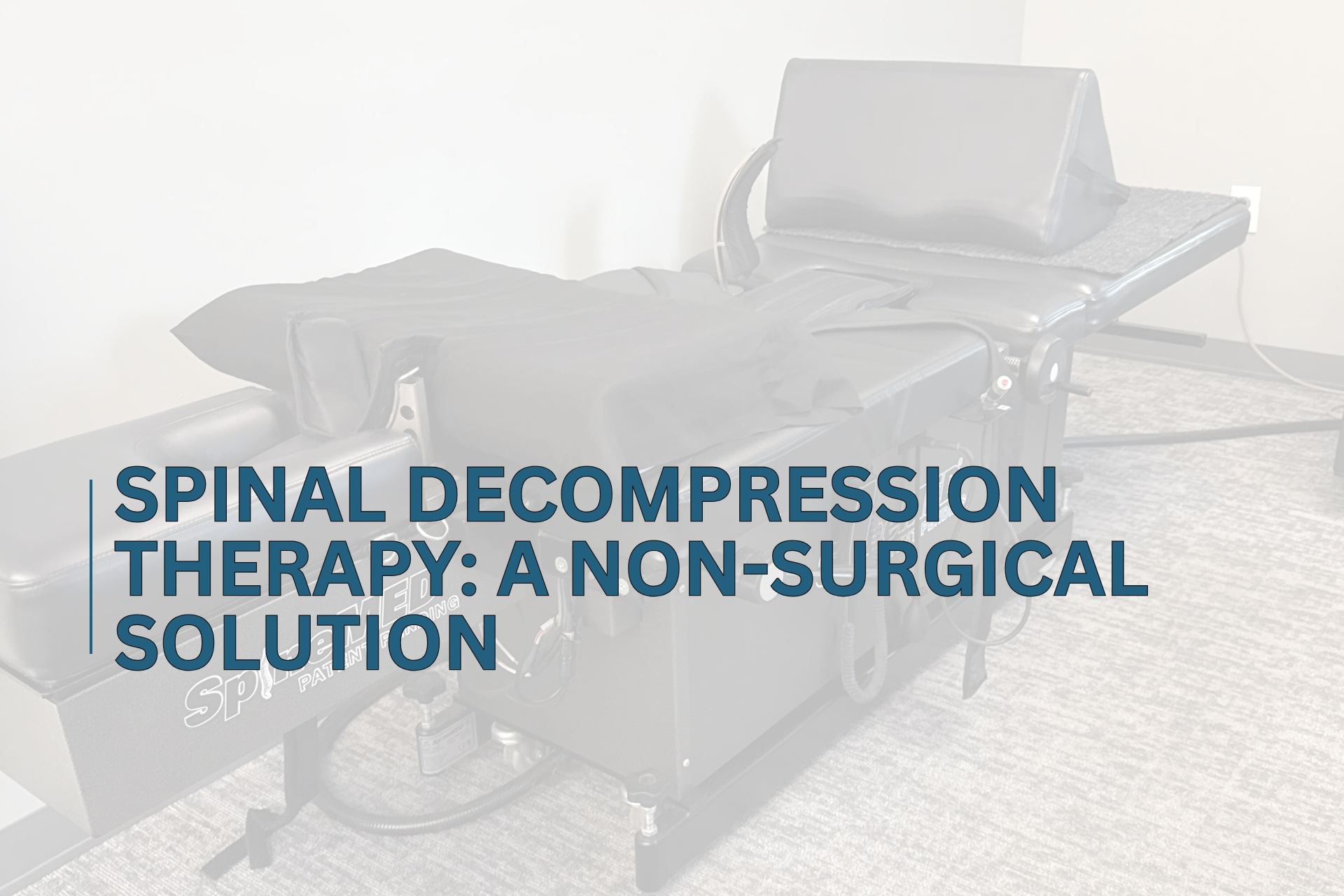
Spinal decompression therapy is a non-invasive treatment that gently stretches the spine to relieve pressure on the intervertebral discs and nerves. Designed to reduce chronic back and neck pain, this therapy helps patients avoid surgical interventions.
The method targets individuals with herniated discs, degenerative disc disease, sciatica, and other spine-related issues. By promoting spinal health without incisions or hospital stays, spinal decompression therapy aligns with the growing trend toward conservative, patient-centered care.
How Spinal Decompression Therapy Works
The spinal discs experience a negative pressure, or vacuum effect, as a result of spinal decompression therapy. This biological mechanism allows bulging or herniated discs to retract, easing pressure on nearby nerve roots and spinal canal structures.
Key Mechanisms:
- Disc Retraction: Vacuum effect reduces pressure, allowing herniated material to retract.
- Oxygen and Nutrient Flow: Negative pressure facilitates rehydration and cellular repair in discs.
- Increased Vertebral Spacing: Spinal traction slightly separates vertebrae, reducing compression.
Therapists use specialized mechanical tables to administer controlled, repetitive stretches. Each movement targets specific disc levels, optimizing fluid exchange and reducing inflammatory markers associated with disc degeneration.
Conditions Treated by Spinal Decompression Therapy
Spinal decompression therapy addresses various spine-related conditions, particularly those involving nerve compression and disc damage.
Commonly Treated Conditions:
Common Symptoms:
- Chronic lumbar pain
- Radiating pain in the legs or arms
- Neck stiffness
- Tingling or numbness
- Localized spinal inflammation
Spinal Decompression Therapy vs. Surgery
A non-surgical option for treating back pain is spinal decompression. Surgery, including spinal fusion or laminectomy, carries greater risks, longer recovery times, and higher costs.
Comparison Table:
Patients with moderate disc injuries, pinched nerves, or chronic pain often benefit from decompression therapy first, reserving surgery as a last resort.
Types of Spinal Decompression Therapy: Mechanical vs. Manual
Spinal decompression therapy can be delivered through mechanical systems or manual chiropractic methods.
Types of Decompression:
- Mechanical Decompression: Uses automated traction tables, pulleys, or decompression machines that deliver precise stretches.
- Manual Therapy: Chiropractors apply controlled force using hands or specialized tools to elongate and align the spine.
Technology vs. Touch:
Both methods focus on spinal alignment, load reduction, and disc recovery.
What to Anticipate from a Session of Spinal Decompression Therapy
Each session is tailored to the patient's needs, lasting approximately 30 to 45 minutes. Here’s what typically happens:
Step-by-Step Overview:
- Initial Consultation: Includes history review and physical exam.
- Patient Positioning: The patient lies on a decompression table, secured with a safety harness.
- Therapy Settings: Machine settings are adjusted based on weight, spine condition, and pain level.
- Treatment Begins: Controlled traction and release cycles begin. Patients may feel a gentle stretch.
- Post-Session Review: Therapist discusses response and adjusts future sessions accordingly.
Typically, patients report feeling calm both during and after therapy and dress comfortably. A full treatment plan typically involves 15–30 sessions over several weeks.
Risks and Side Effects of Spinal Decompression Therapy
Though generally safe, spinal decompression therapy may carry minor side effects and contraindications for certain groups.
Possible Side Effects:
- Mild muscle soreness
- Dizziness post-session
- Temporary fatigue
Not Recommended For:
- Pregnant women
- Individuals with osteoporosis, fractures, or implanted spinal hardware
- Patients with severe nerve disorders or uncontrolled blood pressure
Safety Measures:
- Screening protocols are vital.
- Diagnostic imaging (e.g., MRI) helps rule out risky conditions.
- Experienced therapists monitor patient reactions during each session.
Spinal Decompression Therapy Benefits Backed by Science
Several clinical studies validate the effectiveness of spinal decompression therapy in reducing back pain and restoring disc function.
Research Highlights:
- A study in the Journal of Neurological Research found 71% improvement in chronic back pain patients after non-surgical spinal decompression.
- MRI evidence from The Journal of Musculoskeletal Pain showed disc height improvements after 20 sessions.
- Pain scores (VAS) dropped significantly in a 2023 meta-analysis of non-surgical lumbar decompression.
Evidence-Based Benefits:
- Disc Rehydration
- Reduced nerve root pressure
- Improved spinal flexibility
- Enhanced quality of life
These results indicate spinal decompression as a clinically supported treatment for discogenic pain.
Who Qualifies for Spinal Decompression Treatment?
Eligibility depends on a comprehensive medical evaluation and pain severity assessment.
Ideal Candidates:
- Adults with moderate to severe disc issues
- Those with radiating leg or arm pain
- Patients who failed other non-invasive therapies
- Individuals seeking to avoid surgery
Exclusion Criteria:
- History of spine fractures or spinal tumors
- Conditions like advanced osteoporosis
- Pregnant patients
Therapists use MRI scans, X-rays, and consultation data to evaluate patient fit. Each therapy plan is tailored based on diagnostic findings.
How Much Does Spinal Decompression Therapy Cost?
Cost varies by region, practitioner, and treatment length.
Typical Pricing:
Insurance Considerations:
- CPT code 97012 is often used for billing.
- Coverage may require physician referral or prior approval.
- Some providers offer payment plans or discount packages.
Patients should verify with their insurance provider regarding eligibility and reimbursement options.
At-Home Spinal Decompression Therapy Options
Several tools and practices allow for home-based decompression, though they lack the precision of clinic-grade systems.
At-Home Options:
- Inversion Tables: Relieve spinal pressure by hanging upside down.
- Decompression Belts: Expand the lower back to reduce lumbar compression.
- Foam Rollers: Used in targeted stretching routines.
- Guided Yoga: Poses like child’s pose or cat-cow improve spinal mobility.
Safety Tips:
- Consult a physical therapist before starting.
- Avoid overuse or extreme angles.
- Start with short, supervised sessions.
DIY decompression offers accessible relief, especially for mild or early-stage discomfort.
FAQs about Spinal Decompression Therapy
Is spinal decompression therapy painful?
No, it is generally painless. Most patients report a gentle stretching sensation.
How many sessions are needed?
Most patients require 15–30 sessions over 6–8 weeks for lasting relief.
Can spinal decompression replace surgery?
Yes, in many non-severe cases, decompression can delay or eliminate the need for surgery.
Is spinal decompression covered by insurance?
Sometimes. Coverage depends on diagnosis, referrals, and the provider's plan.
Are there age limits or restrictions?
Most adults qualify, but seniors with bone fragility or individuals with certain conditions may be excluded.
Struggling with Back Chronic Pain in South Florida?
Discover how Spinal Decompression Therapy can offer lasting relief from disc-related back and neck pain—completely drug-free and non-invasive.
We Offer:
🔹Advanced Spinal Decompression Therapy — A proven, FDA-cleared solution to relieve pressure from herniated discs, sciatica, bulging discs, and degenerative disc disease. Backed by clinical studies with long-term success in reducing pain and restoring function.
🔹Tailored Treatment Plans — Every session is customized to your condition, guided by experienced spinal care professionals committed to measurable improvement.
🔹Compassionate, Supportive Team — At every stage of your journey, we put your comfort and recuperation first.
🔹Expert Leadership — Our care is led by renowned specialists in non-surgical spinal care and rehabilitation.
H2: Learn More:
📘 What is Spinal Decompression Therapy?
📘 What to Expect During Your First Session
📘 Non-Surgical Relief for Herniated Discs—Real Success Stories
📘 Which Conditions Benefit from Spinal Decompression?
H2: Visit Us:
📍 Conveniently located at 100 NW 100th Ave, Plantation, serving Palm Beach, Fort Lauderdale, and Miami.
💬 Over 1,000+ sessions successfully completed with a patient-first philosophy.
🏥 Trusted by chiropractic and pain management professionals throughout South Florida.
H2: Take the First Step Toward a Pain-Free Life
Contact Spinal Decompression Therapy Institute today.
No medications. No surgery. Just results.
👉 Follow us for patient stories, expert advice, and daily updates:
👍 Facebook — Q&As, recovery stories, and encouraging community posts
.png)
.png)
.png)
.png)
.webp)
.webp)
.webp)