




What to Expect During a Spinal Decompression Session
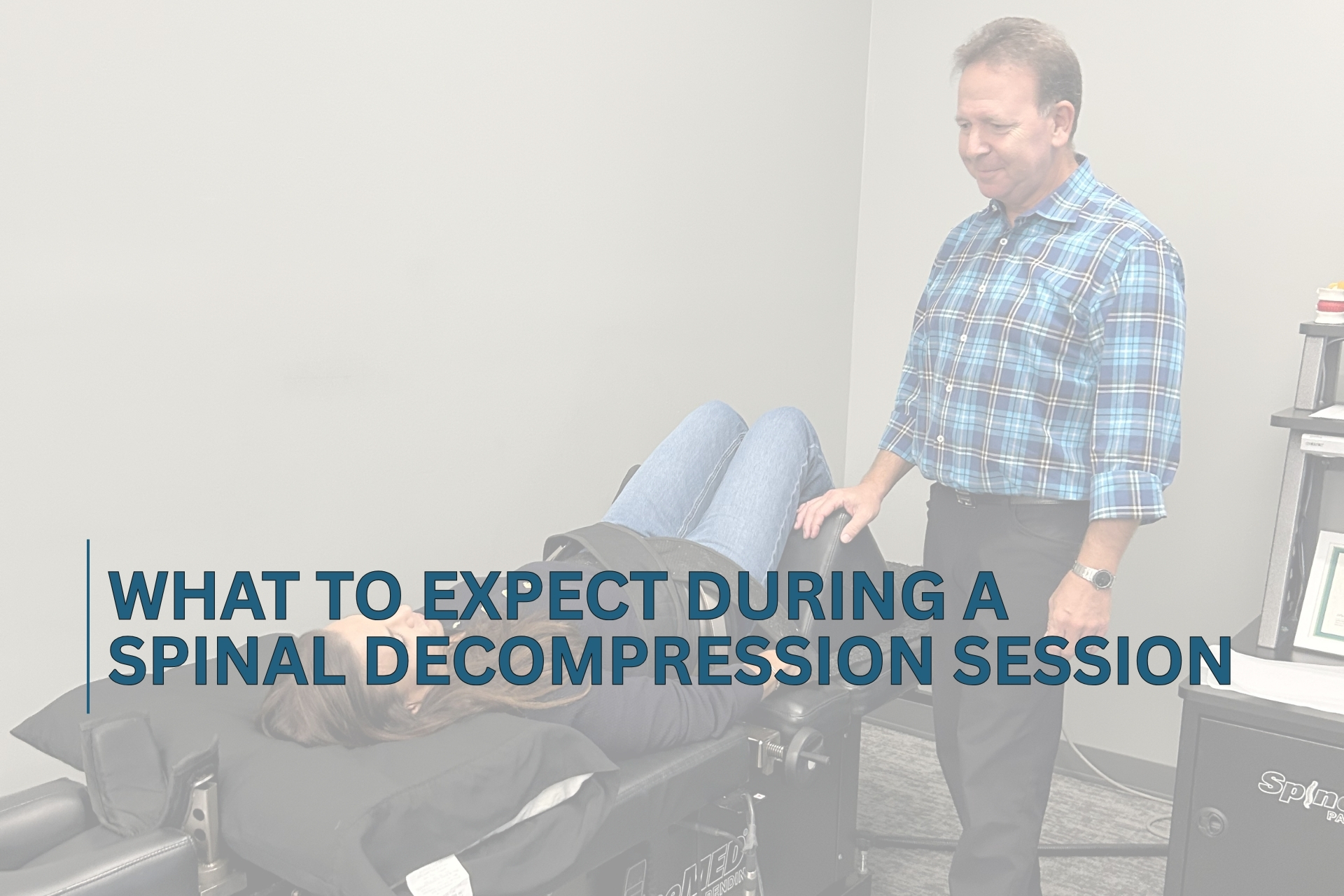
Spinal decompression is a non-invasive therapy designed to relieve pressure on spinal discs and nerves. It’s often used for patients with herniated discs, chronic lower back pain, or sciatica. A spinal decompression session typically involves a carefully calibrated motorized table, monitored by a chiropractor or spine specialist.
For first-time patients, the process can seem unfamiliar. This article outlines what actually happens during a spinal decompression appointment, from the initial consultation to aftercare. It answers common questions and sets realistic expectations to reduce uncertainty.
Next, you'll learn what happens before your first session starts.
What Happens Before Spinal Decompression Begins?
What’s included in a spinal decompression consultation?
The process begins with an initial consultation and spinal assessment. This evaluation helps determine if you’re a suitable candidate for spinal decompression therapy.
Key steps in the assessment include:
- Patient history review
The chiropractor examines your medical background, including past injuries, surgeries, or spinal conditions. - Physical examination
Posture, flexibility, and reflexes are checked to identify affected areas of the spine. - Diagnostic imaging
X-rays or MRIs are often used to confirm spinal issues like bulging discs or nerve compression. - Eligibility screening
Patients with conditions like osteoporosis or spinal fractures may not qualify. The goal is to ensure safety and effectiveness.
Fact: A 2020 study in The Spine Journal found that pre-therapy imaging improves patient selection and treatment outcomes.
This spinal decompression consultation sets the foundation for a customized treatment plan tailored to your spine’s needs.
Let’s look at what equipment is used during your actual session.
How Does the Equipment Work in Spinal Decompression?
What tools are used during spinal decompression therapy?
A spinal decompression session uses specialized traction equipment designed to stretch and relax the spine in controlled cycles. The most common setup includes a motorized decompression table and a computerized system.
Key components include:
- Decompression table
This motorized table separates to apply traction force. It adjusts for lumbar or cervical treatment. - Harness system
Straps are secured around the pelvis and/or upper torso to target specific spinal regions. - Control panel
The chiropractor uses it to adjust the decompression cycle’s intensity, angle, and duration. - Cervical support cradle (for neck decompression)
Gently supports the head and neck during therapy.
Safety note: These devices include emergency stop features. Patients can halt the process instantly if needed.
By now, you’re probably wondering what exactly happens once you're on the table.
What Happens in a Spinal Decompression Session?
How does a spinal decompression session work?
The therapy involves intermittent traction to decompress spinal discs and reduce nerve pressure. Each spinal therapy session follows a structured process, customized based on the patient's diagnosis.
Step-by-step breakdown of a typical session:
- Setup and alignment
You lie on the table. The chiropractor secures the harness and positions your spine. - Machine calibration
Settings are adjusted based on body weight, spinal condition, and treatment goals. - Decompression cycle starts
The machine applies gentle pulling force to stretch the spine. This creates negative pressure inside the disc. - Hold and release pattern
The therapy alternates between pulling and relaxing in timed cycles (usually 1-2 minutes each). - Monitoring
The chiropractor checks your comfort and adjusts settings as needed. - Session duration
Most decompression sessions last 15 to 30 minutes.
Evidence: A clinical study by Gionis et al. (2003) showed that spinal decompression reduces disc pressure by up to 200 mm Hg.
This process promotes nutrient flow into the discs and may help reabsorb herniated material.
But what does this actually feel like for the patient?
What Does Spinal Decompression Feel Like?
Is spinal decompression therapy painful?
Most patients describe spinal decompression as relaxing with a deep stretch sensation. The therapy should not be painful. However, mild discomfort or soreness afterward is normal, especially during the first few sessions.
Common sensations include:
- Tingling or warmth in the back or legs
This is due to increased circulation and nerve activity. - A deep stretching feeling
Especially in the lower back or neck, as pressure is reduced. - Muscle fatigue or mild soreness
Can occur after the session as your spine adjusts. - Pressure release or “popping”
Similar to what you might feel during a chiropractic adjustment.
When to speak up:
If you feel sharp pain, dizziness, or discomfort during the session, inform the therapist immediately.
Understanding these sensations helps reduce fear and makes the experience more manageable.
Now that the session is complete, the next part is recovery.
What to Do After a Spinal Decompression Session?
What post-session care is recommended?
Recovery plays a crucial role in how effective spinal decompression therapy is. After each session, patients are advised to follow a structured aftercare plan.
Recommended post-decompression steps:
- Hydration
Drink plenty of water to help spinal discs rehydrate. - Light movement
Gentle walking helps maintain spinal mobility without stressing the back. - Avoid heavy lifting
For 24 hours post-session, avoid intense activities that compress the spine. - Apply ice or heat
Use as directed to manage any soreness or inflammation. - Follow your chiropractor’s schedule
Sessions are usually recommended 2–3 times per week for 4–8 weeks depending on the condition. - Track progress
Keep notes of symptoms and mobility changes to share during follow-ups.
Tip: Some chiropractors combine decompression with physical therapy for better results and long-term spine health.
Many patients report improved mobility and reduced pain within a few weeks of consistent therapy.
Up next: Questions many patients ask before starting therapy.
Spinal Decompression FAQ: Common Patient Questions Answered
How long is a spinal decompression session?
Each session typically lasts 15 to 30 minutes, depending on the treatment plan and area of focus.
Is spinal decompression safe?
Yes. When performed by trained professionals, spinal decompression is considered low-risk. It's FDA-cleared and non-surgical.
How many sessions do I need?
Most treatment plans include 12 to 24 sessions spread over 4 to 8 weeks. Chronic conditions may require ongoing maintenance therapy.
Will my insurance cover spinal decompression?
Coverage varies by provider. Some insurance plans cover chiropractic decompression if it's deemed medically necessary. Always check with your insurer beforehand.
Can decompression therapy fix a herniated disc?
It may help reabsorb herniated disc material by creating negative intradiscal pressure. However, results depend on severity, disc condition, and patient health.
Are results permanent?
Some patients experience long-term relief. Others may need maintenance sessions or complementary therapies to sustain results.
Study Insight: A 2010 review in Pain Physician found that 71% of patients reported pain relief after spinal decompression treatment.
Summary: What to Expect at Your First Spinal Decompression Visit
Your first spinal decompression session includes a thorough evaluation, safe equipment setup, and a relaxing therapy process that targets spinal pressure relief. While sensations vary, most people tolerate it well and feel progressive improvements after a few visits. Consistent aftercare and follow-up are key to long-term spine health.
Struggling with Back Chronic Pain in South Florida?
Discover how Spinal Decompression Therapy can offer lasting relief from disc-related back and neck pain—completely drug-free and non-invasive.
We Offer:
🔹Advanced Spinal Decompression Therapy — A proven, FDA-cleared solution to relieve pressure from herniated discs, sciatica, bulging discs, and degenerative disc disease. Backed by clinical studies with long-term success in reducing pain and restoring function.
🔹Tailored Treatment Plans — Every session is customized to your condition, guided by experienced spinal care professionals committed to measurable improvement.
🔹Compassionate, Supportive Team — At every stage of your journey, we put your comfort and recuperation first.
🔹Expert Leadership — Our care is led by renowned specialists in non-surgical spinal care and rehabilitation.
Learn More:
📘 What is Spinal Decompression Therapy?
📘 What to Expect During Your First Session
📘 Non-Surgical Relief for Herniated Discs—Real Success Stories
📘 Which Conditions Benefit from Spinal Decompression?
Visit Us:
📍 Conveniently located at 100 NW 100th Ave, Plantation, serving Palm Beach, Fort Lauderdale, and Miami.
💬 Over 1,000+ sessions successfully completed with a patient-first philosophy.
🏥 Trusted by chiropractic and pain management professionals throughout South Florida.
Take the First Step Toward a Pain-Free Life
Contact Spinal Decompression Therapy Institute today or call us at +1 954-472-7975.
No medications. No surgery. Just results.
👉 Follow us for patient stories, expert advice, and daily updates:
.png)
.png)
.png)
.png)
.webp)
.webp)
.webp)